
Art Therapy for Anxiety, Stress & Healing | Mindsight Counselling
Trauma-informed and neuroaffirming art therapy for children, teens, adults and families in Melbourne Bayside.
Evidence Based Art Therapy in Melbourne
Explore art therapy at Mindsight Counselling—a gentle, creative approach to support anxiety, stress, trauma, emotional healing, and self-expression.
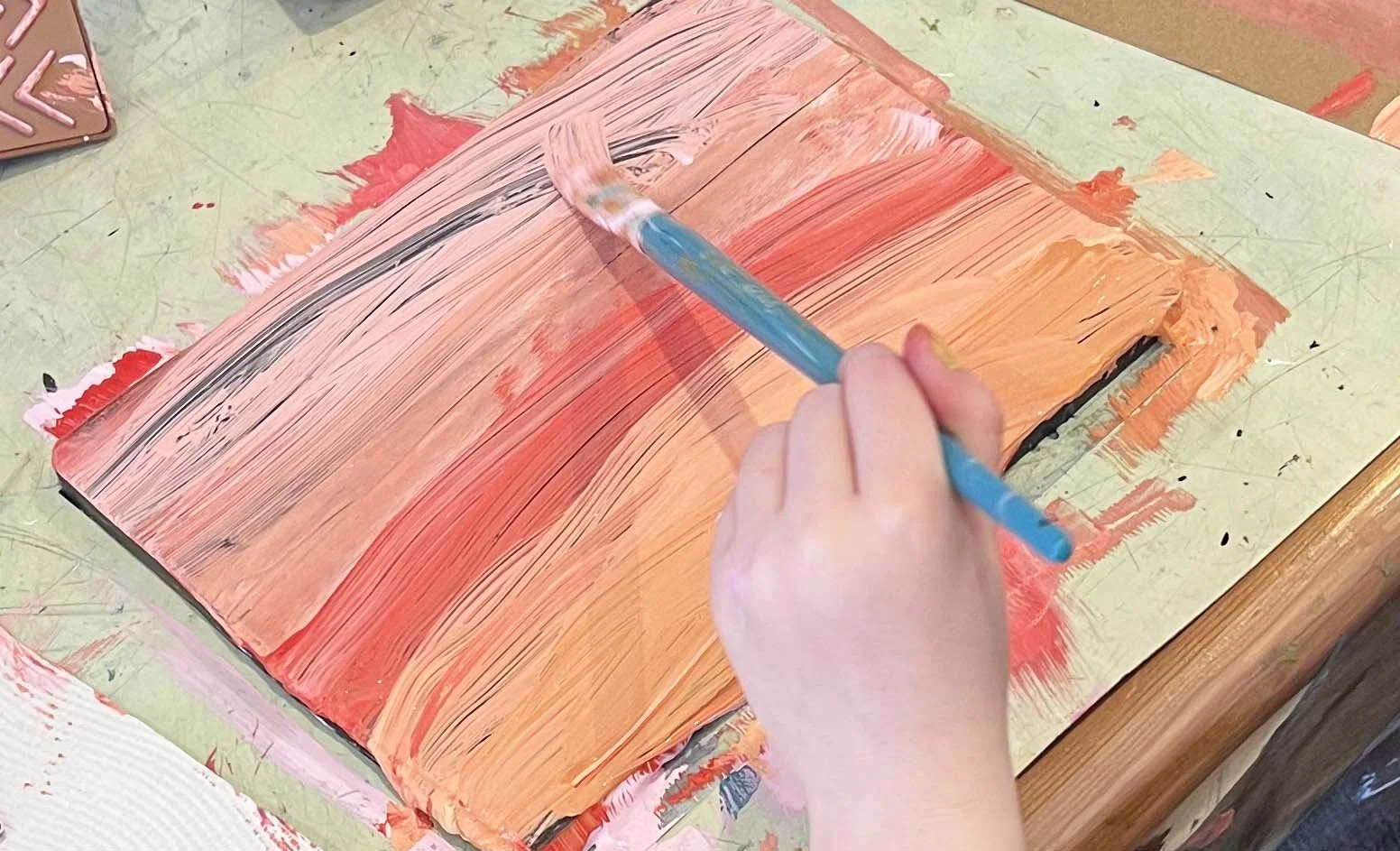
Art therapy offers a gentle and creative way to explore emotions, reduce stress, and support healing. You do not need any artistic skill—just a willingness to engage with the process in a safe and supportive space. Through art-making, children, teens, and adults can express what may feel hard to put into words and build greater self-understanding, calm, and emotional wellbeing.
Supporting anxiety, trauma, emotional regulation, autism, ADHD, grief and life transitions through creative and expressive therapies.
Art Therapy Can Support:
Anxiety and overwhelm
Autism and ADHD
Trauma and PTSD
Emotional regulation difficulties
School refusal
Grief and loss
Family separation
Self-esteem difficulties
Stress and burnout
Children struggling to express emotions
Art Therapy with people with Autism /ADHD
The unique learning styles of people with ASD are particularly well suited to art therapy interventions. Art therapy helps to practise motor coordination and imitation skills through a variety of activities such as cutting, gluing, drawing and painting. Furthermore, some sensory activities can be soothing in their tactile and repetitive nature for the individual with an ASD.
Art can provide a variety of concrete, visual cues to help improve task comprehension and social awareness. Sensory issues can distract individuals with ASD, however when they are interested in the activity, these individuals can be engaged in the art – making process and social interactions.
Art Therapy Interventions:
Enhancing Adaptive Living skills
Developing Social Skills
Increasing Emotional Awareness and Understanding
Assessing and addressing Family Dynamics.
All art materials are included in the sessions.
About Me
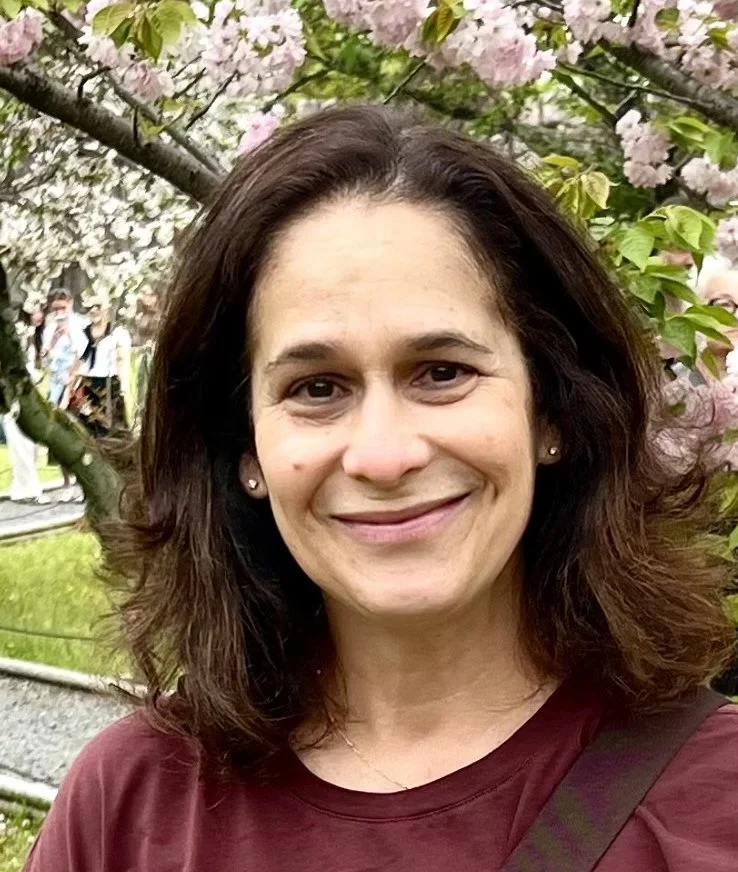
20+ years experience
Registered Clinical Counsellor
NDIS accredited
Neuroaffirming practice
Trauma-informed
Sandplay therapist
Trauma-informed and neuroaffirming art therapy for children, teens, adults and families in Melbourne, Melbourne Bayside, Highett, Sandringham, Bentleigh, Mentone.
Ready to Begin?
If you’re looking for a compassionate and creative approach to therapy in Melbourne Bayside, I welcome you to reach out.
To book an appointment or to find out more
call Dalit on
0412 396 644
What to expect
Sessions are tailored to your needs. Some people prefer structured activities, while others benefit from more open, exploratory creative work. (see other methods).
As a clinical counsellor and art therapist, I integrate evidence based counselling approached with creative methods to support meaningful change.
Location
I offer art therapy in Bayside Melbourne, including Highett, Bentleigh, Caulfield, Hampton, Sandringham, and surrounding suburbs.